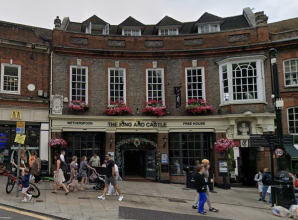
Buckinghamshire Council Building. Photo via Google.
Buckinghamshire has set out plans to balance its books over the next three years amid continued pressure from rising demand for care services.
A report to cabinet on Tuesday, February 10 outlines the medium-term financial plan from 2026/27 to 2028/29.
Changes to the way councils are funded will see Buckinghamshire lose £44.4million by 2028/29 under ‘council tax equalisation’, which redistributes money away from areas with higher tax bases.
Even with council tax rising by the maximum allowed (4.99 per cent a year), the money it actually has to run services will only go up a little.
Over the next few years, its overall budget will grow by about 8 per cent, while most councils across the country will see their budgets grow by around 15 per cent.
Without yearly council tax rises, Bucks council officers warn its day-to-day services budget would drop by about £30million, rather than increase.
Adult and children’s social care, home-to-school transport and support for pupils with special educational needs remain the biggest cost pressures.
More than three-quarters of the council’s budget is spent across five key statutory services.
Since 2020/21, the council says it has already delivered £187.3million in savings and extra income.
But a further £109million will be needed over the next three years to balance the books, taking the total required to £296million.
This is very large – equal to about two-thirds of the size of its entire original yearly budget when it first became a single county-wide council in 2020.
The focus will remain on efficiencies, prevention and ‘invest to save’ schemes rather than reducing universal services.
Alongside the revenue budget, a £628million capital programme - ie, money for larger scale projects - is proposed for 2026/27 to 2029/30.
More than £220million is earmarked for transport, including a continued commitment of £120million for highways investment.
There will also be investment in waste services and places for children with special educational needs.
Cabinet is being given permission to approve up to £100million of extra projects without having to go back to full council each time.
The money for those projects would be borrowed, and they would only go ahead if officers can show they are worth the cost and make financial sense.
The dedicated schools grant continues to be a major concern. The funding deficit could reach £212million by March 2028.
The high needs block, which supports children with special educational needs and disabilities, is forecast to remain in deficit.
By the end of the financial year, the council expects to have about £42.7million left in its rainy-day reserves.
This works out at just over 8p for every £1 the council spends in a year, so it is a relatively small safety cushion.
Most read

The Slide team.
Top Articles
A woman was found dead in a car park outside Iceland and B&M Home Store in Montrose Avenue on Saturday afternoon (February 21).
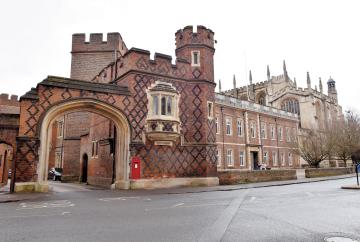
A teenage boy has been found dead at the historic Eton College.

The Slide team.
Flexible workspace MyWorkSpot is excited to become home to the UK hub of a start-up launched by the founders of a hugely successful American technology company.
© Copyright 2024 Baylis Community Media CIC All right reserved