03:00PM, Wednesday 04 March 2026

Archive image
Councillors are set to scrutinise an environment and climate strategy for the borough amid a ‘climate emergency’.
A draft version of the 2026-2035 strategy went out for consultation from January to March 2 (Monday).
The strategy is now set to be discussed at a place overview and scrutiny panel meeting on Monday (March 9). It will then go before a cabinet and full council meeting in April.
In 2019, the borough declared a ‘climate emergency’, with the environment and climate strategy meant to tackle this.
The strategy has five priorities: energy, sustainable transport, natural environment, reducing waste, and governance, finance and risk.
It said: “Climate change is not just a future problem, it’s happening now and it’s already affecting our lives, our environment and our economy.”
But the financial position of the cash-strapped Royal Borough means that what can be delivered to help the environment is limited.
The strategy looks to make sure the impact on the environment is considered in the council’s decision making, with investments needing to be in line with RBWM’s net-zero targets.
A climate risk register, used to track how climate change is directly impacting council services, infrastructure and local residents, will also be put in place.
To tackle challenges like carbon emissions, poor air quality and traffic congestion, the strategy looks to have residents make most of their journeys by walking, cycling or using public transport by 2035.
To achieve this, initiatives like a borough-wide day bus pass and providing more EV charging points are included in the strategy.
Another ambition looks to have homes and buildings in the borough be ‘comfortable, cheaper to run and powered by clean energy’.
To get to this target, the strategy includes plans to retrofit 75 per cent of homes in the borough and bring them to a higher energy rating by 2035 – from G-D to at least a C.
This would reduce the cost of energy bills and create healthier homes, the strategy hopes.
When it comes to tackling waste, the strategy recognises ‘extreme heat’ and flooding can impact how often rubbish is collected.
Roads become impassable and waste depots may become flooded, while heatwaves can trigger health and safety restrictions for outdoor workers.
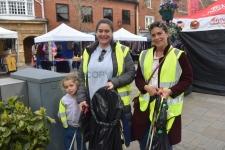
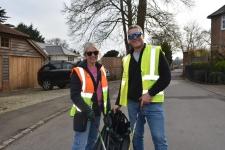
On the more positive side, plans for repair cafes and reuse shops, as well as cleaner public spaces through enforcement and action from local communities, are included in the strategy.
It said the borough will be ‘a leader in waste reduction and reuse’, with recycling facilities made easier to access for residents.
As for biodiversity net gain, this is already covered in the Borough Local Plan (BLP); developers must include improvements for wildlife in their plans for new builds, or else offer a financial contribution for enhancements elsewhere.
But the environment strategy goes wider. It emphasises ‘measurable biodiversity net gain’ across all new developments.
It also sets a borough-wide target to manage at least 30 per cent of land for nature by 2030 – a national target. So far, more than 26 per cent of land in the borough is now saved for nature.
The document says: “By 2035, nature will be thriving across the borough in parks, woodlands, verges, rivers, and gardens.
“Everyone will live within easy reach of a high-quality, biodiverse green space that supports nature recovery.”
Most read

The Slide team.
Top Articles
A woman was found dead in a car park outside Iceland and B&M Home Store in Montrose Avenue on Saturday afternoon (February 21).
A teenage boy has been found dead at the historic Eton College.

The Slide team.
Flexible workspace MyWorkSpot is excited to become home to the UK hub of a start-up launched by the founders of a hugely successful American technology company.
© Copyright 2024 Baylis Community Media CIC All right reserved