06:15PM, Monday 23 March 2026

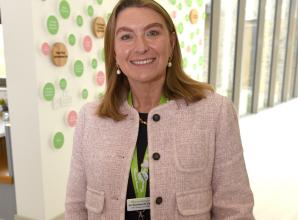
Pictured: Thames Hospice chief executive Dr Rachael de Caux
Hospices in the Royal Borough are not ‘immune’ to the growing financial crisis facing the sector, they say, as MPs have warned the situation is not being met with urgency by the Government or NHS leaders.
A new report from the Public Accounts Committee (PAC) says some adult hospices in England have been forced to cut services or plan reductions, despite growing demand for hospice care.
The committee warned that the sector is heading towards a ‘funding cliff-edge’ from April, and this risks the sustainability of care available to local communities.
MPs said the situation is already affecting patient care, with many people still spending their final days in hospital rather than at home or in a hospice setting.
Most hospices are charitable, independent organisations which receive some statutory funding for providing NHS services.
One-off capital funding does not address shortfalls, the inquiry heard, and how care will be funded lacks clarity and national oversight, leaving the sector heavily reliant on charitable donations.
Thames Hospice chief executive Dr Rachael de Caux said the charity is ‘grateful’ for the ongoing support and is in a ‘stable financial position’ to continue providing high-quality, compassionate care.
“However, like many hospices, we are not immune to these pressures,” she added.
“We are currently operating with a planned deficit of around £500,000 – a position that is manageable in the short term, but not sustainable in the long term without changes to how hospice care is funded.”
Dr de Caux welcomed recent Government investment in hospice infrastructure but is seeking a ‘fairer and more predictable funding model’ that reflects the true cost of delivering specialist palliative care.
“We are seeing increasing demand for our services, particularly in the community, where around 80 per cent of our care is now delivered,” she added.
“While we are in a strong position today, we cannot afford to be complacent, and we will continue to plan carefully to ensure our services are there for everyone who needs them in the future.”
MPs raised concerns about delays to planned reforms as a new national palliative care and end-of-life care modern service framework is not expected until later this year.
This framework will address challenges, including avoidable hospital admissions, variation in care provision in terms of access and quality, workforce shortages and gaps in 24/7 palliative care.
Sir Geoffrey Clifton-Brown, chair of the committee, said: “Government’s actions, despite all reassurances to the contrary, are communicating a certain blithe certainty that the sector’s challenges will be resolved at the local level.
“By the time any help arrives, invaluable services may already have been cut.”
CEO and Founder of Alexander Devine Children’s Hospice Service, Fiona Devine, said they are not alone in facing the challenges experienced by the whole sector.
“Like many hospices, we rely heavily on the generosity of the local community, with 85 per cent of our annual costs currently funded through donations, fundraising and gifts in wills,” she added.
“As financial pressures continue to affect communities and cost-of-living challenges persist, it is important that the Government recognises, strengthens and protects hospice care for the future.
“In the meantime, at Alexander Devine, we remain committed to protecting our services, keeping children and families at the heart of everything we do, and ensuring they receive the best possible care and support when they need it.”
A Department of Health and Social Care spokesperson acknowledged that hospices do ‘incredible work’ for those who need it most and are facing ‘incredibly tough pressures’.
“This government has made the biggest investment in hospices in a generation – £125 million – to improve hospice facilities, freeing other funding for patient care, and has also committed £80 million for children’s and young people’s hospices over three years,” they said.
“We will soon set out our plans to modernise and improve the palliative and end of life care sector, as we shift more healthcare out of hospitals and into the community, with hospices playing a central role in delivering care closer to home.
Most read

The Slide team.
Anthony Robertson, 36, of Patrick Haugh Road, Bicester.
Top Articles

A woman was found dead in a car park outside Iceland and B&M Home Store in Montrose Avenue on Saturday afternoon (February 21).
A teenage boy has been found dead at the historic Eton College.

The Slide team.
Flexible workspace MyWorkSpot is excited to become home to the UK hub of a start-up launched by the founders of a hugely successful American technology company.
© Copyright 2024 Baylis Community Media CIC All right reserved