04:11PM, Monday 12 December 2022

Latest figures from the national census show how religion and ethnicity have shifted in each local authority.
The census is taken every 10 years, with the most recent in 2021. Before that, it was 2011.
Results are being released in batches as data is processed – and data on religion was released at the end of last month.
For the first time in a census of England and Wales, less than half of people described themselves as Christian.
Despite this decrease, Christian remained the most common response to the religion question.
The data means that all the non-Christian identities added together eclipse the number of Christians, including people who marked themselves as ‘no religion’.
The largest chunk of the swing is indeed towards ‘no religion’, the second most common response after Christian.
This increased by 12 percentage points nationally – from 14million up to 22million people.
All other religions have seen a marginal increase in the number of people identifying with them.
In Slough, the picture is a little different. Ten years ago, Christians still made up less than half of people in the borough.
In the 2011 census, the largest religious group in Slough was Christian – but this only accounted for 41 per cent of the population.
Around 23 per cent of people identified as Muslim, 10 per cent Sikh, 11 per cent ‘no religion’ and six per cent Hindu. ‘Other’ religion was the next largest, at six per cent also.
By contrast, in 2021, about 32 per cent of people classed themselves as Christian – a shift of nine percentage points – and 13 per cent identified as no religion, a shift of just two points.
This is a much smaller swing than seen in the national picture.
Meanwhile, the proportion of Muslims has increased to 29 per cent (six points), with marginal increases to the number of Sikhs (now 11 per cent) and Hindus (more than seven per cent).
Accordingly, the shift away from Christianity in Slough is more indicative of a greater percentage of the population identifying with other faith groups.
In terms of ethnicity, the swing in Slough is more noticeable.
In 2011, 46 per cent of the Slough population identified as White, with non-white ethnic minorities representing the remaining 54 per cent of the population.
In 2021, all White ethnic groups together accounted for about 36 per cent of the population – a downwards shift of 10 percentage points.
All other racial groups, including mixed, now account for about 64 per cent. The largest of this is Asian – all Asian groups together added up to 46 per cent.
More than 21 per cent of people identified as British Pakistani and 19 per cent identified as British Indian. The largest Black ethnic group was British African at about five per cent. Another 4.5 per cent didn’t identify within any of the census categories and marked themselves as ‘other’ ethnicity.
Most read
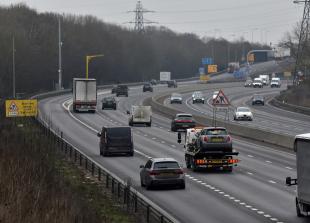
Archive image of M4
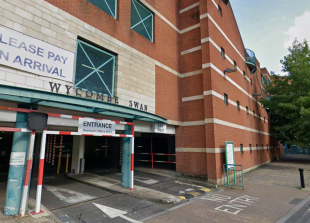
A man was stabbed in the Wycombe Swan threatre car park on Tuesday (image: Google)
Top Articles
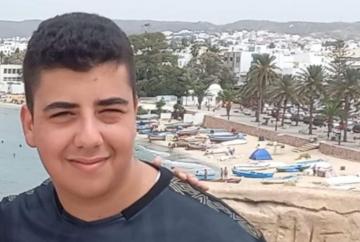
Adam Bouaziz. Photo from the family via Thames Valley Police.
Appearing as a witness, the van driver who ran over 18-year-old Adam Bouaziz last year became distressed and left the court suddenly during his testimony.
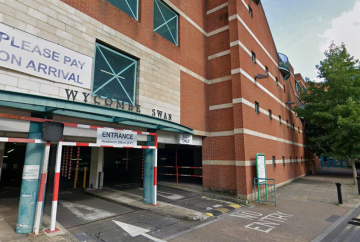
A man was stabbed in the Wycombe Swan threatre car park on Tuesday (image: Google)
Dasharn Gregg, of Haynes Close, had been arrested on suspicion of attempted murder over the stabbing, which left a 19-year-old man needing hospital treatment.
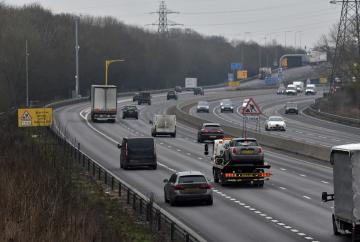
Archive image of M4
National Highways has warned the motorway is shut between Junction 6 (Slough/Windsor) and Junction 5 (Langley Interchange).
© Copyright 2024 Baylis Community Media CIC All right reserved